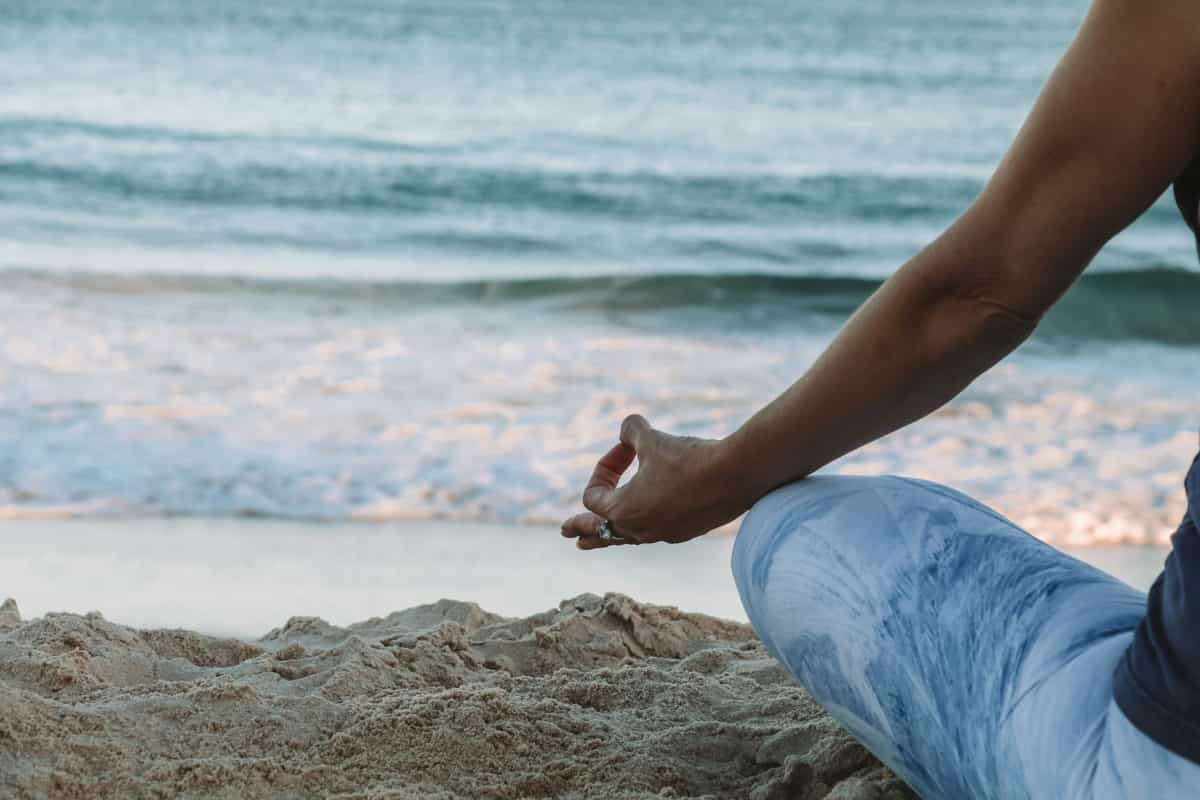
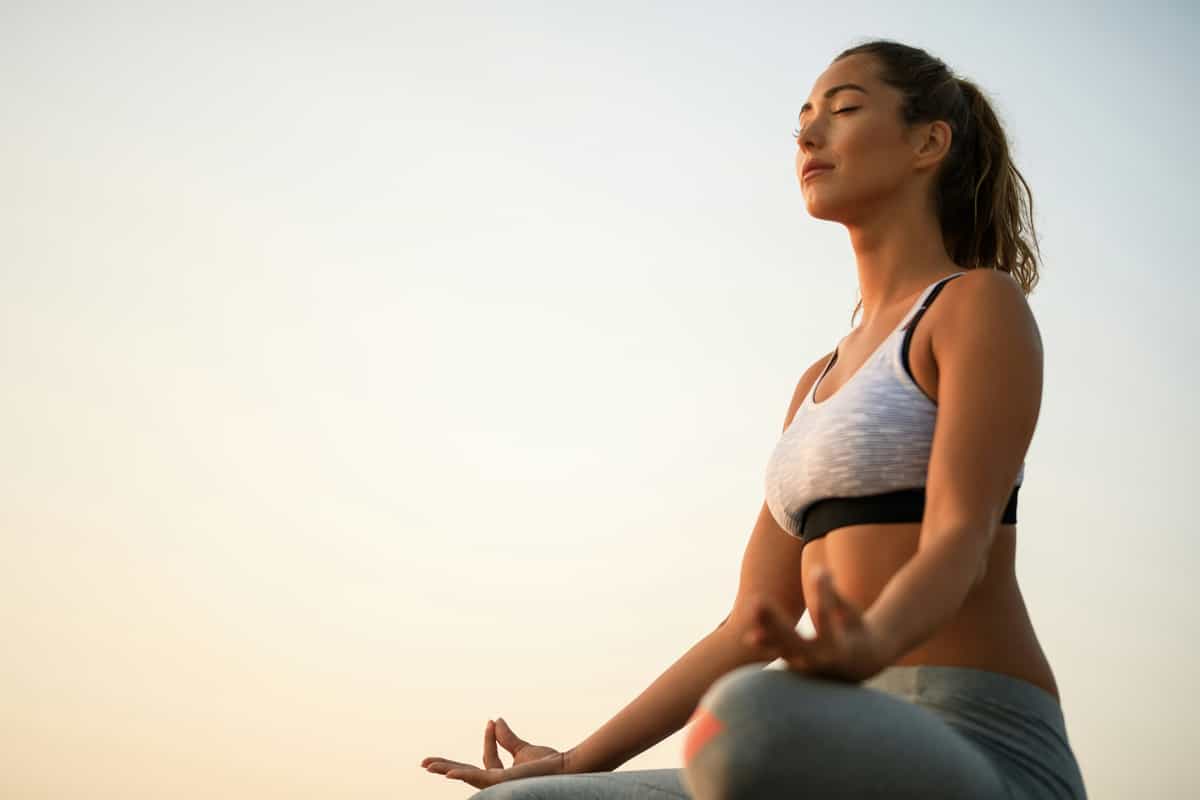
This article explores zen imagery practices to help gamers visualize victory, tapping into the trend of mental imagery in sports adapted for gaming. It provides a step-by-step guide to visualization techniques, such as guided imagery and scenario rehearsal, supported by research on their benefits for confidence and performance in competitive settings. The content is designed to help players enhance focus and mental resilience before matches, offering practical applications for various game types.
In the high-stakes world of competitive gaming, where mental clarity can determine the outcome of a match, the ability to visualize success is a powerful tool. Whether you’re clutching a 1v1 in Valorant or coordinating a team strategy in League of Legends, picturing victory can boost confidence and sharpen focus. Zen imagery practices, rooted in mindfulness and inspired by sports psychology, offer gamers a way to harness mental visualization to prepare for intense matches. This article provides a comprehensive guide to visualization techniques tailored for gamers, blending practical steps with evidence-based strategies to help you enter every game with a winning mindset. These practices are particularly valuable for players seeking to emulate the mental preparation of top esports professionals.
The Power of Visualization in Gaming
Visualization, or mental imagery, involves creating vivid mental pictures of successful outcomes or processes. In gaming, this means imagining executing perfect plays or staying calm under pressure. A 2022 study on esports psychology found that top players who regularly use visualization report higher confidence and better performance in competitive settings. By engaging the same neural pathways as physical practice, imagery strengthens mental resilience and primes the brain for success. This aligns with the growing interest in mental preparation among gamers, as players seek ways to gain an edge in high-pressure matches like ranked games or tournaments.
Step 1: Understanding Zen Imagery
Zen imagery combines traditional visualization with mindfulness principles, emphasizing a calm, present-focused state. Unlike simply daydreaming about winning, zen imagery involves structured mental exercises that incorporate sensory details and emotional grounding. Research from sports psychology, which shares parallels with esports, shows that vivid imagery improves performance by up to 15% in high-stress scenarios. For gamers, this translates to better decision-making in clutch moments, faster reaction times in FPS titles, and improved coordination in team-based games.
Step 2: Setting Up for Effective Visualization
Creating the right environment and mindset is crucial for effective zen imagery. These steps help you focus and immerse yourself in the practice.
- Find a Quiet Space: Choose a distraction-free area to focus on your mental imagery. Dim lights or use a soft lamp to create a calming atmosphere, aligning with zen principles.
- Relax Your Body: Sit comfortably in your gaming chair and take a few deep breaths to release tension. A relaxed body enhances mental clarity for visualization.
- Use Calming Sounds: Play ambient sounds, like gentle waves or forest noises, to deepen your focus. These sounds help you enter a meditative state conducive to imagery.
- Set an Intention: Before starting, decide on a specific goal, such as “I will visualize a perfect team fight” or “I will stay calm during a clutch moment.”
This setup prepares your mind for vivid, effective visualization, grounding you in the present.
Step 3: Guided Imagery for Game Success
Guided imagery involves creating a detailed mental picture of a successful gaming scenario, engaging all your senses to make it feel real.
- Picture the Scene: Imagine yourself in-game, seeing your monitor, hearing in-game audio, and feeling your mouse or controller. For example, visualize landing a headshot in CS:GO or timing an ultimate in Overwatch.
- Incorporate Details: Add sensory elements, like the sound of footsteps or the glow of your character’s abilities. A 2021 study found that multi-sensory imagery enhances performance by making mental rehearsals more vivid.
- Focus on Emotions: Feel the confidence and calm of executing a play perfectly. This emotional connection strengthens your mental preparation, reducing anxiety.
Practice for 2-3 minutes, focusing on a specific match or moment, to build confidence and familiarity.
Step 4: Scenario Rehearsal for Key Plays
Scenario rehearsal focuses on visualizing specific in-game situations, preparing you for critical moments.
- Choose a Scenario: Select a key moment, like securing a clutch in Valorant or managing a late-game push in Dota 2. Picture the exact steps you’ll take.
- Rehearse Actions: Mentally walk through your movements—aiming, ability usage, or communication with teammates. This builds muscle memory and reduces hesitation.
- Include Challenges: Visualize handling setbacks, like missing a shot or losing a teammate, and recovering calmly. This prepares you for real-game resilience.
A 2022 esports study found that scenario rehearsal improves decision-making under pressure, making it ideal for competitive gamers.
Step 5: Zen Imagery for Emotional Calm
Zen imagery pairs visualization with calming mental pictures to reduce pre-game anxiety and maintain focus.
- Create a Calm Anchor: Picture a serene scene, like a quiet forest or flowing river, to ground your emotions. Spend 1 minute immersing yourself in this image before shifting to game visuals.
- Blend with Game Imagery: Transition from the calm scene to your gaming scenario, carrying that sense of peace into the match. For example, imagine a tranquil lake, then see yourself calmly executing a strategy.
- Return to the Anchor: If anxiety creeps in, briefly return to your calm image to reset. This zen-inspired technique helps maintain emotional balance.
This practice, rooted in mindfulness, helps gamers stay composed, especially in high-stakes tournaments.
Step 6: Building Your Zen Imagery Routine
Combine these techniques into a 5-7 minute pre-game routine to prime your mind for victory. Here’s a sample:
- Setup (1 min): Find a quiet space, dim lights, and play calming ambient sounds.
- Relaxation (1 min): Take 5 deep breaths to relax your body and clear your mind.
- Guided Imagery (2 min): Visualize a successful match, focusing on sensory details and confidence.
- Scenario Rehearsal (2 min): Mentally rehearse a key in-game moment, like a clutch or team play.
- Zen Anchor (1 min): Picture a calming scene to ground your emotions, then transition to game imagery.
This routine is flexible—FPS players might focus on quick scenario rehearsals for reflexes, while strategy gamers emphasize guided imagery for complex plays. Adjust based on your game and time available.
Why Zen Imagery Works for Gamers
Zen imagery is backed by science and tailored to gaming’s unique challenges. The 2022 esports psychology study found that visualization strengthens neural pathways, improving reaction times and decision-making by up to 10% in competitive settings. By combining mindfulness with game-specific imagery, these practices help gamers manage anxiety, boost confidence, and prepare for high-pressure moments like a final team fight or a tournament match. Adding relatable examples—like a player visualizing a perfect combo to win a round—makes the techniques practical and engaging for gamers of all levels.
Looking Ahead
As esports and competitive gaming continue to grow, mental preparation techniques like zen imagery will become essential for players seeking a competitive edge. These practices, inspired by sports psychology and zen mindfulness, offer a practical way to enhance performance and resilience. By integrating visualization into your pre-game routine, you can approach every match with the confidence and focus of a professional, ready to visualize and achieve victory.
Citations
- “Using Mental Skills to Increase Your Esports Performance.” Esports Wales, 19 Feb. 2022, esportswales.org/using-mental-skills-to-increase-your-esports-performance/.
- “Stress and Coping in Esports and the Influence of Mental Toughness.” PMC, 22 Apr. 2020, www.ncbi.nlm.nih.gov/pmc/articles/PMC7191198/.
- “Meditation Techniques.” HealthyGamer Wiki, wiki.healthygamer.gg/en/Meditation_Techniques.