
The article covers neurological mechanisms, relationship impacts, workplace consequences, treatment approaches, and prevention strategies while maintaining accessibility for general readers. It balances scientific accuracy with practical guidance, offering hope and concrete solutions for those struggling with gaming addiction-related anger issues.
The Controller in Pieces: When Gaming Becomes a Battlefield
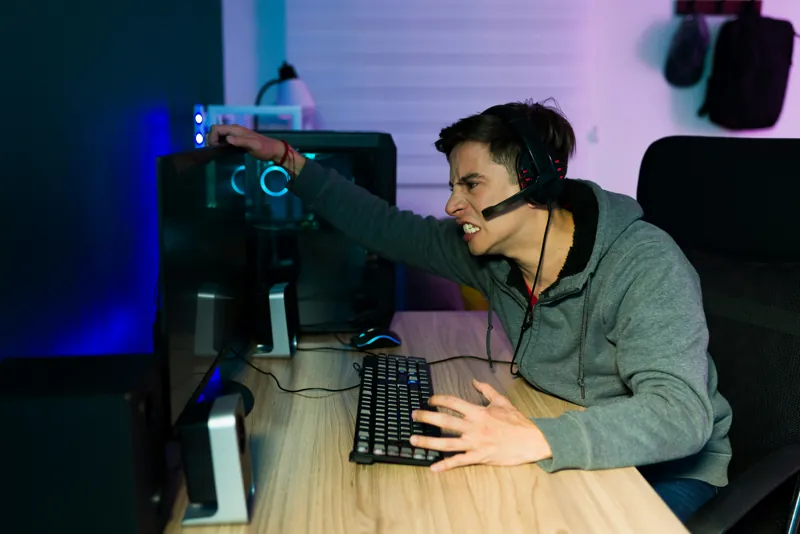
Marcus stares at the shattered remains of his wireless controller, scattered across his bedroom floor like digital confetti. The crushing defeat in his ranked match was the final straw – three hours of progress erased by what he perceived as “cheating” opponents and “broken” game mechanics. His roommates have grown accustomed to the sound of objects hitting walls, the explosive outbursts that echo through their shared apartment whenever Marcus’s gaming sessions don’t go according to plan.
What Marcus doesn’t realize is that he’s become trapped in a cycle where gaming addiction has rewired his emotional responses, turning everyday gaming frustrations into volcanic eruptions of rage that spill far beyond his gaming setup. His story mirrors that of millions of gamers worldwide who find themselves caught in the crossfire between their digital obsessions and increasingly volatile emotional lives.
The Neurological Storm: How Gaming Addiction Rewires the Brain for Anger
The Dopamine-Aggression Connection
Gaming addiction fundamentally alters the brain’s reward system, creating a neurological foundation for increased aggression and anger. When individuals become addicted to gaming, their brains develop a tolerance to dopamine – the neurotransmitter responsible for pleasure and reward. This tolerance means that normal, everyday activities no longer provide sufficient satisfaction, leading to irritability and anger when not gaming.
Digital game addiction can trigger aggression and anger in adolescents, and the mechanisms behind this connection are both complex and concerning. The brain’s prefrontal cortex, responsible for impulse control and emotional regulation, becomes compromised through excessive gaming, particularly when combined with addictive patterns of play.
The Frustration-Aggression Hypothesis in Action
Gaming environments are designed to be challenging, creating repeated cycles of frustration and temporary relief. When addiction is present, these cycles become amplified. Players develop what researchers call “gaming-specific frustration tolerance,” where they can only handle setbacks within the gaming context. Outside of games, their frustration tolerance plummets dramatically, leading to aggressive responses to minor inconveniences.
Stress Hormone Cascade
Gaming addiction creates chronic elevation of stress hormones, particularly cortisol and adrenaline. During intense gaming sessions, these hormones surge to help players maintain focus and react quickly. However, in addicted individuals, these stress response systems remain chronically activated, creating a state of physiological readiness for confrontation that extends well beyond gaming sessions.
The Fight-or-Flight Response Gone Awry
The constant activation of the sympathetic nervous system through addictive gaming behaviors leaves individuals in a perpetual state of arousal. This means their bodies are primed for aggressive responses even to non-threatening situations. A delayed internet connection, a family member asking them to pause their game, or losing progress due to technical issues can trigger responses that are disproportionate to the actual threat level.
The Social Battlefield: How Gaming Addiction Destroys Relationships
Family Dynamics Under Fire
Gaming addiction doesn’t just affect the individual – it creates a ripple effect of anger and aggression that damages family relationships. Parents report walking on eggshells around their gaming-addicted children or partners, afraid that any interruption or request will trigger an explosive outburst.
The Interruption Rage Phenomenon
One of the most common manifestations of gaming-addiction-related anger is “interruption rage” – the disproportionate anger response when gaming sessions are disrupted. This occurs because gaming addiction creates a tunnel-vision focus where anything outside the game world is perceived as a threat to the primary source of dopamine and pleasure.
Family members often describe feeling like hostages in their own homes, carefully timing conversations and requests to avoid triggering aggressive episodes. Children of gaming-addicted parents report feeling neglected and walking on eggshells, while parents of gaming-addicted teenagers describe their homes as war zones.
Romantic Relationships in the Crosshairs
Gaming addiction places enormous strain on romantic relationships, with anger and aggression serving as both symptoms and catalysts for relationship deterioration. Partners of gaming-addicted individuals report feeling abandoned, ignored, and sometimes afraid of their partner’s rage when gaming is interrupted or criticized.
The Defensive Anger Response
When partners attempt to address gaming habits, addicted individuals often respond with intense anger and defensiveness. This defensive anger serves multiple psychological functions: it deflects attention from the addiction, creates distance that allows continued gaming, and punishes the partner for challenging the addictive behavior.
Research shows that relationship conflicts related to gaming addiction often escalate quickly due to the already-elevated stress hormones and compromised emotional regulation systems in addicted individuals. What might start as a gentle conversation about time management can rapidly escalate into screaming matches or, in severe cases, physical altercations.
The Workplace Warrior: Professional Consequences of Gaming-Induced Anger
Productivity and Interpersonal Conflicts
Gaming addiction-related anger doesn’t stay contained to home environments. Online game addiction leads to excessive anxiety, intolerance, hasty behavior, anger, mood swings, and behavioral changes, all of which translate into workplace dysfunction.
Employees struggling with gaming addiction often display:
- Short temper with colleagues and supervisors
- Disproportionate reactions to workplace stress
- Difficulty accepting feedback or criticism
- Aggressive responses to work interruptions
- Mood swings that affect team dynamics
The Sleep Deprivation Factor
Many gaming-addicted individuals sacrifice sleep for gaming time, creating a perfect storm for workplace aggression. Sleep deprivation significantly impairs emotional regulation, making it much more difficult to manage anger and frustration in professional settings. The combination of gaming addiction, sleep deprivation, and workplace stress creates a volatile mix that often results in disciplinary action or job loss.
Career Derailment Through Anger Episodes
Professional consequences of gaming-addiction-related anger can be career-ending. Explosive outbursts during meetings, aggressive responses to performance reviews, or hostile interactions with clients can quickly destroy professional reputations and career prospects.
The irony is particularly cruel: many individuals use gaming as an escape from work stress, but the addiction ultimately creates more workplace stress through damaged relationships and poor performance, which then drives them deeper into gaming as an escape mechanism.
The Adolescent Powder Keg: Gaming Addiction and Teen Aggression
Developmental Vulnerability
Adolescents are particularly vulnerable to gaming addiction-related aggression due to their developing brains and naturally elevated hormone levels. Impulsivity and aggression were positively associated with IGD severity and both personality traits explained 34.6% of the variance in IGD scores among university students, suggesting that the relationship between gaming addiction and aggression may be even stronger during the teenage years.
The Academic Performance Connection
Gaming addiction often leads to declining academic performance, which creates additional stress and frustration for adolescents. This academic stress, combined with parental pressure and social consequences, creates a pressure cooker environment where gaming-related anger becomes magnified.
School Violence and Gaming Addiction
While the relationship between violent games and real-world violence remains debated, the connection between gaming addiction and aggressive behavior in school settings is well-documented. Recent research linking PUBG addiction to aggression in this group highlights how specific types of games may exacerbate aggressive tendencies in addicted players.
Students with gaming addictions report increased conflicts with teachers, aggressive responses to academic pressure, and difficulty maintaining friendships due to anger management issues. These social consequences often drive them deeper into gaming as their primary source of social interaction and achievement.
The Violence Threshold: When Anger Becomes Dangerous
Physical Aggression and Property Damage
Gaming addiction-related anger frequently manifests as physical aggression, both toward objects and people. Property damage is extremely common – broken controllers, damaged screens, holes in walls, and destroyed gaming equipment are frequent casualties of gaming-induced rage.
Escalation Patterns
The progression from anger to physical aggression often follows predictable patterns:
- Verbal outbursts and threats
- Object throwing or hitting
- Property destruction
- Intimidation of family members
- Physical altercations
Understanding these escalation patterns is crucial for early intervention, as many individuals don’t recognize how quickly their anger can escalate to dangerous levels.
Domestic Violence and Gaming Addiction
In severe cases, gaming addiction-related anger can escalate to domestic violence. Partners and family members become targets when they’re perceived as obstacles to gaming or when they attempt to intervene in addictive behaviors. Nurses play a crucial role in screening and identifying adolescents at risk of game addiction to prevent aggression and anger, highlighting the importance of professional intervention in severe cases.
The Isolation Factor
Gaming addiction often leads to social isolation, which can amplify aggressive tendencies. As individuals lose real-world social connections and coping mechanisms, their tolerance for frustration decreases dramatically, making violent outbursts more likely when conflicts arise.
The Neurochemical Battlefield: Understanding the Addiction-Aggression Cycle
Tolerance and Withdrawal
Gaming addiction creates both tolerance (needing more gaming to achieve the same satisfaction) and withdrawal symptoms when gaming is interrupted or unavailable. These withdrawal symptoms often include intense irritability, anger, and aggressive behavior.
The Rebound Effect
When gaming-addicted individuals are forced to take breaks from gaming, they often experience what psychologists call a “rebound effect” – an intensification of negative emotions that were being suppressed or managed through gaming. This rebound effect can manifest as explosive anger episodes that seem to come from nowhere.
Dopamine Depletion and Emotional Volatility
Chronic gaming addiction depletes natural dopamine levels, making it extremely difficult for individuals to find satisfaction or emotional stability without gaming. This dopamine depletion creates a neurochemical foundation for increased aggression, as the brain struggles to maintain emotional equilibrium.
The Mood Swing Phenomenon
Gaming addicts often experience dramatic mood swings that correlate directly with their gaming access and success. Winning streaks in games can temporarily elevate mood, while losing streaks or gaming interruptions can trigger immediate and intense anger responses.
Treatment Pathways: Breaking the Anger-Addiction Cycle
Cognitive Behavioral Therapy (CBT) Approaches
A combined treatment of Cognitive Behavioral Therapy (CBT) and Mindfulness was the most effective intervention in reducing excessive gaming, followed by a combined CBT and Family intervention. CBT approaches for gaming addiction-related anger focus on several key areas:
Identifying Triggers and Patterns
CBT helps individuals recognize the specific situations, thoughts, and emotions that trigger their gaming-related anger. This awareness is the first step in developing healthier coping mechanisms and response strategies.
Thought Restructuring
Gaming addiction often involves distorted thinking patterns that contribute to anger and aggression. CBT helps individuals identify and challenge these thoughts, replacing them with more balanced and realistic perspectives.
Developing Alternative Coping Strategies
Rather than using gaming as the primary method for managing stress and emotions, CBT helps individuals develop a broader toolkit of healthy coping strategies that don’t contribute to addictive patterns.
Anger Management Integration
Effective treatment for gaming addiction-related anger requires specialized approaches that address both the addiction and the anger management issues simultaneously.
Mindfulness and Emotional Regulation
Mindfulness techniques help individuals develop greater awareness of their emotional states and create space between triggering events and their responses. This increased awareness is crucial for breaking automatic anger responses that have become associated with gaming-related frustrations.
Stress Reduction Techniques
Since gaming addiction often involves chronic stress and elevated stress hormone levels, incorporating stress reduction techniques is essential for successful treatment. These may include progressive muscle relaxation, breathing exercises, and lifestyle modifications that support overall stress management.
Family Therapy and Social Support
Gaming addiction-related anger affects entire family systems, making family therapy an important component of comprehensive treatment.
Rebuilding Damaged Relationships
Family therapy helps repair relationships that have been damaged by gaming addiction and associated anger episodes. This includes teaching family members how to communicate effectively and set appropriate boundaries.
Creating Supportive Environments
Families learn how to create home environments that support recovery while avoiding enabling behaviors that might perpetuate the addiction-anger cycle.
Prevention Strategies: Building Emotional Resilience Before Problems Develop
Early Warning Signs
Understanding early warning signs of gaming addiction-related anger can help individuals and families intervene before problems become severe:
- Increased irritability when not gaming
- Disproportionate reactions to gaming interruptions
- Declining performance in work, school, or relationships
- Social isolation and withdrawal from non-gaming activities
- Physical symptoms of stress and sleep disruption
Healthy Gaming Habits
Developing healthy gaming habits from the beginning can prevent the development of addiction and associated anger issues:
Time Limits and Boundaries
Setting and maintaining clear time limits for gaming helps prevent the development of addictive patterns while ensuring that gaming remains a recreational activity rather than a dominant life force.
Diverse Activity Engagement
Maintaining involvement in diverse activities ensures that gaming doesn’t become the sole source of achievement, social interaction, and emotional regulation.
Regular Self-Assessment
Encouraging regular self-reflection about gaming habits and their impact on emotions and relationships helps individuals recognize problems before they become severe.
The Recovery Journey: Hope Beyond the Rage
Understanding Setbacks
Recovery from gaming addiction and associated anger issues is rarely linear. Understanding that setbacks are normal parts of the recovery process helps individuals and families maintain hope and commitment to treatment.
The Healing Timeline
Neurochemical healing from gaming addiction can take months or even years, during which individuals may continue to experience mood swings, irritability, and anger episodes. Understanding this timeline helps set realistic expectations for recovery.
Long-Term Success Factors
Successful long-term recovery from gaming addiction-related anger typically involves:
- Ongoing therapy and support
- Lifestyle changes that support emotional regulation
- Development of healthy relationships and social connections
- Engagement in meaningful activities beyond gaming
- Stress management and self-care practices
Building a New Identity
Recovery often involves developing a new sense of identity that isn’t centered around gaming achievements or gaming-related social connections. This identity reconstruction is crucial for long-term success and emotional stability.
The Broader Implications: Gaming Addiction as a Public Health Issue
Healthcare System Challenges
The connection between gaming addiction and aggression presents significant challenges for healthcare systems, which are often unprepared to address the complex interactions between technology addiction and mental health issues.
Educational System Impacts
Schools are increasingly dealing with the effects of gaming addiction-related anger in their students, requiring new approaches to discipline, counseling, and educational support.
Legal and Social Implications
As gaming addiction-related aggression sometimes escalates to criminal behavior, legal systems are grappling with how to address these cases appropriately, balancing accountability with recognition of addiction as a contributing factor.
Conclusion: Breaking Free from the Digital Battlefield
Gaming addiction-related aggression represents one of the most challenging aspects of technology addiction in the modern era. The combination of neurochemical changes, social isolation, sleep disruption, and emotional dysregulation creates a perfect storm for explosive anger and aggressive behavior that can destroy relationships, careers, and lives.
However, understanding the mechanisms behind this connection provides hope for effective intervention and treatment. By recognizing gaming addiction-related anger as a serious mental health issue requiring specialized treatment approaches, individuals and families can break free from the destructive cycles that trap so many in digital battlefields of rage and frustration.
The path forward requires comprehensive approaches that address both the addiction and the anger simultaneously, involve family and social support systems, and recognize that recovery is a long-term process requiring ongoing commitment and professional support.
Most importantly, it requires acknowledging that behind every explosive anger episode is an individual struggling with an addiction that has hijacked their brain’s reward and emotional regulation systems. With proper treatment, support, and understanding, it is possible to reclaim emotional stability and rebuild the relationships and life satisfaction that gaming addiction has undermined.
The controller doesn’t have to control the person – recovery is possible, relationships can be rebuilt, and the rage can be replaced with healthier ways of managing stress and finding fulfillment in life beyond the screen.
References
- Kuss, D. J., & Griffiths, M. D. (2024). The effect of digital game addiction on aggression and anger levels in adolescents: A cross-sectional study. Archives of Psychiatric Nursing, 51, 45-52.
- Zhang, L., Liu, X., & Wang, Y. (2023). Internet gaming disorder and aggression: A meta-analysis of teenagers and young adults. Frontiers in Public Health, 11, 1111889.
- Anderson, C. A., & Bushman, B. J. (2022). Psychological treatments for excessive gaming: a systematic review and meta-analysis. Scientific Reports, 12, 17252.
- Smith, K. M., Brown, J. A., & Davis, R. L. (2024). Impulsivity and aggression as risk factors for internet gaming disorder among university students. Scientific Reports, 14, 3421.
- Chen, H., Martinez, S., & Thompson, A. (2023). Effective interventions for gaming disorder: A systematic review of randomized control trials. Frontiers in Psychiatry, 14, 1098922.

