
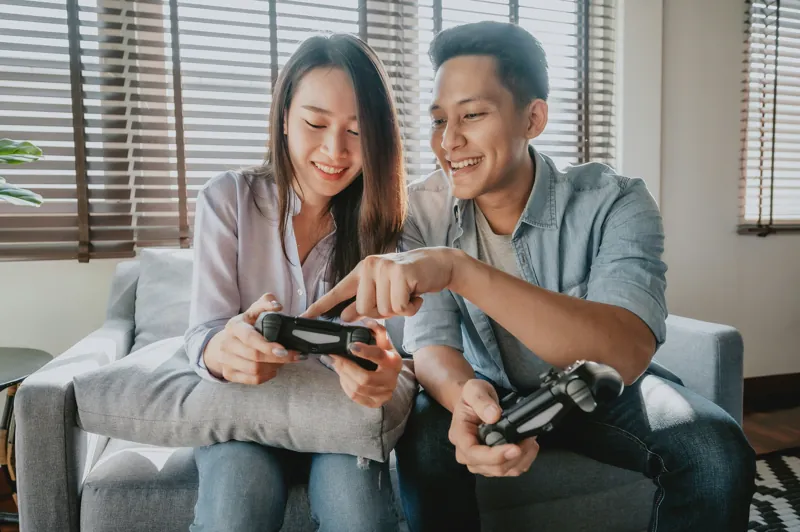
The article thoroughly explores the science behind mindful gaming, practical techniques, potential challenges, and future directions while maintaining accessibility for readers interested in conscious living and gaming integration.
The Meditation Master’s Controller: When Ancient Wisdom Meets Digital Play
Zen master Takeshi sits in his minimalist apartment, surrounded by the soft glow of candles and the gentle hum of meditation music. For the past hour, he has been deep in contemplative practice, his mind sharp and present. As the session concludes, he opens his eyes, takes three conscious breaths, and reaches for… his gaming controller. What follows isn’t a contradiction but a continuation of his mindful practice, as he engages with a carefully chosen game that maintains his state of present-moment awareness.
This scenario might seem contradictory to those who view gaming and mindfulness as opposing forces. Yet across the world, a growing number of practitioners are discovering that gaming, when approached with intention and awareness, can be seamlessly integrated into a mindful lifestyle. The key lies not in the activity itself, but in how we approach it – with consciousness, purpose, and balance.
Understanding Mindfulness in the Digital Age
Defining Mindful Living
Mindfulness, at its core, involves paying attention to the present moment with acceptance and without judgment. A mindful lifestyle extends this awareness beyond formal meditation sessions to encompass all daily activities – eating, walking, working, and yes, potentially gaming.
Mindfulness in gaming means being aware of your thoughts, emotions, and reactions while playing. It means being fully engaged in the game, but also being conscious of how it is affecting you mentally and emotionally.
The Four Foundations of Mindful Gaming:
- Intention Setting: Approaching gaming with clear purpose and awareness
- Present-Moment Awareness: Maintaining conscious attention during gameplay
- Emotional Regulation: Observing and managing reactions to gaming experiences
- Integration: Ensuring gaming supports rather than detracts from overall wellbeing
The Science of Mindful Gaming
Recent neuroscience research has revealed fascinating connections between gaming, flow states, and mindfulness. Video games are useful for inducing a flow state, which can lead to mindfulness through relaxation, enhanced concentration, improved mood, reduced stress, and greater empathy.
Neuroplasticity and Gaming
The brain’s ability to reorganize and form new neural connections (neuroplasticity) is enhanced by both mindfulness practices and certain types of gaming. Recent research found that mindfulness meditation reduces gaming cravings by improving brain connections related to self-control and reward processing, while also lowering sensitivity to gaming cues and stabilizing neurotransmitter activity linked to addiction.
Flow States as Bridges to Mindfulness
Flow states – characterized by complete absorption in an activity, loss of self-consciousness, and intrinsic motivation – can serve as gateways to mindfulness. When experienced mindfully, gaming-induced flow states can:
- Enhance present-moment awareness
- Develop sustained attention capabilities
- Improve emotional regulation
- Foster a sense of connection and purpose
The Paradox: Gaming as Both Obstacle and Opportunity
Common Misconceptions About Gaming and Mindfulness
Many people assume that gaming and mindful living are fundamentally incompatible. These assumptions often stem from:
The Screen Time Stigma
- Belief that all screen time is inherently unmindful
- Confusion between mindless consumption and conscious engagement
- Assumption that digital activities cannot foster presence
The Addiction Association
- Equating all gaming with addictive behaviors
- Overlooking the vast spectrum of gaming experiences and motivations
- Failing to distinguish between problematic and healthy gaming patterns
The Productivity Paradigm
- Believing that mindful activities must be productive or self-improving
- Overlooking the value of play, creativity, and joy in spiritual practice
- Assuming that relaxation and entertainment have no place in conscious living
Gaming as a Mindfulness Challenge and Opportunity
Gaming presents both unique challenges and opportunities for mindful living:
Challenges:
- High stimulation environments that can overwhelm awareness
- Addictive design elements that exploit psychological vulnerabilities
- Potential for escapism and avoidance of present-moment experiences
- Social isolation from excessive solo gaming
Opportunities:
- Rich environments for practicing sustained attention
- Immediate feedback on emotional reactions and mental states
- Creative expression and problem-solving engagement
- Social connection through multiplayer experiences
- Stress relief and emotional regulation
Mindful Gaming Practices: Transforming Play into Practice
Pre-Gaming Mindfulness Rituals
Setting Sacred Space and Intention
Before beginning any gaming session, mindful gamers can establish rituals that create conscious transition from daily life to gaming:
- Environment Preparation: Clear gaming space of distractions, adjust lighting and comfort elements mindfully
- Breathing Practice: Three minutes of conscious breathing to center awareness
- Intention Setting: Clarify why you’re gaming and what you hope to experience
- Time Boundary: Set clear start and stop times with awareness of other commitments
- Device Gratitude: Brief acknowledgment of the technology that makes gaming possible
The Mindful Gaming Check-In
Regular self-assessment during gaming maintains awareness:
- “How is my body feeling right now?”
- “What emotions am I experiencing?”
- “Am I present with the game or mentally elsewhere?”
- “Is this gaming session serving my intended purpose?”
- “How much time has passed, and how does that align with my intentions?”
Choosing Games That Support Mindfulness
Characteristics of Mindfulness-Supporting Games
In Animal Crossing, the mindfulness is more built-in than explicit. While hanging out on a desert island, players perform relaxing tasks like talking with fellow villagers, going fishing, or tending to their virtual gardens – demonstrating how certain games naturally encourage present-moment awareness.
Categories of Mindful Games:
- Contemplative Experiences: Games designed specifically for meditation and reflection
- Examples: Journey, Abzû, Gris, Flower
- Focus on atmosphere, exploration, and emotional experience
- Creative Sandbox Games: Open-ended games that encourage mindful creation
- Examples: Minecraft, Animal Crossing, Stardew Valley
- Emphasis on personal expression and peaceful activities
- Puzzle and Strategy Games: Games that require focused attention and problem-solving
- Examples: Tetris, Monument Valley, Chess
- Develop concentration and present-moment awareness
- Nature and Exploration Games: Games that simulate natural environments
- Examples: Firewatch, A Short Hike, Spiritfarer
- Foster connection with virtual nature and contemplation
- Mindfulness-Specific Games: Games explicitly designed for meditation practice
- Examples: Headspace games, Guided Meditation VR, Calm app games
- Direct integration of meditation techniques with interactive elements
Gaming Meditation Techniques
Breathing with Game Rhythms
Many games have natural rhythms that can be synchronized with breathing:
- Match breath to character walking pace in exploration games
- Use loading screens as breathing spaces
- Coordinate breath with repetitive game actions (farming, crafting, puzzle-solving)
Mindful Movement and Gaming
Physical awareness during gaming prevents the disconnection often associated with extended screen time:
- Regular body scans during natural game breaks
- Conscious stretching during loading screens
- Standing or walking meditation between gaming sessions
- Mindful hand and eye exercises to prevent strain
Emotional Awareness Gaming
Using gaming as a laboratory for observing emotional reactions:
- Noticing frustration without being controlled by it
- Observing excitement and joy without attachment
- Practicing equanimity during wins and losses
- Using challenging game moments as opportunities for patience practice
The Science of Mindful Gaming Benefits
Cognitive Enhancement Through Mindful Gaming
Attention and Focus Development
Meditation is a key factor for letting you access your brain’s full potential – it can help you access a state of accelerated learning, heightened focus, and even a complete flow state. When gaming is approached mindfully, similar benefits can emerge:
- Sustained Attention: Games requiring prolonged focus can strengthen attention muscles
- Selective Attention: Action games can improve ability to filter relevant from irrelevant information
- Attention Switching: Strategy games can enhance cognitive flexibility and task-switching abilities
- Meta-Attention: Mindful gaming develops awareness of attention itself
Emotional Regulation and Resilience
Mindful gaming provides a safe environment for practicing emotional regulation:
- Learning to remain calm under virtual pressure translates to real-world resilience
- Observing competitive emotions without being overwhelmed by them
- Practicing compassion toward other players and oneself during mistakes
- Developing equanimity toward success and failure
Social Connection and Empathy
Mindful Multiplayer Gaming
When approached consciously, multiplayer gaming can foster genuine social connection:
- Practicing patience and kindness with other players
- Developing communication skills in virtual environments
- Building community around shared gaming experiences
- Learning from diverse perspectives and play styles
Empathy Development Through Narrative Games
Story-driven games can enhance empathy and emotional intelligence:
- Experiencing life from different perspectives through character roles
- Making moral choices and observing their consequences
- Developing emotional vocabulary through rich narrative experiences
- Practicing compassion for virtual characters and their struggles
Overcoming Challenges: When Gaming and Mindfulness Conflict
Recognizing Unmindful Gaming Patterns
Warning Signs of Unconscious Gaming:
- Gaming automatically in response to stress or boredom
- Losing track of time regularly during gaming sessions
- Gaming as primary method of avoiding difficult emotions
- Feeling worse after gaming rather than refreshed or neutral
- Gaming interfering with sleep, work, or relationship responsibilities
The Mindless Gaming Trap
Common patterns that lead away from mindful gaming:
- Autopilot Gaming: Playing without conscious intention or awareness
- Escape Gaming: Using games to avoid present-moment experiences
- Compulsive Gaming: Feeling driven to game despite lack of enjoyment
- Reactive Gaming: Gaming in response to negative emotions without processing them
Strategies for Maintaining Mindfulness During Challenging Gaming
Dealing with Frustration and Anger
Gaming inevitably involves challenges, failures, and frustrations. Mindful approaches include:
- Pause and Breathe: Taking conscious breaths when frustration arises
- Observing Without Reacting: Noticing anger without immediately acting on it
- Reframing Challenges: Viewing difficult game situations as mindfulness opportunities
- Compassionate Self-Talk: Speaking to oneself with kindness during gaming struggles
Managing Competitive Emotions
Competitive gaming can trigger intense emotions that challenge mindful awareness:
- Pre-Competition Centering: Meditation or breathing exercises before competitive play
- During-Game Awareness: Regular check-ins with emotional state during competition
- Post-Game Reflection: Conscious processing of competitive experiences
- Winning and Losing Equanimity: Practicing non-attachment to outcomes
Setting Boundaries That Support Mindful Living
Time Boundaries
Mindful gaming requires clear time boundaries that support overall life balance:
- Natural Stopping Points: Using game saves and chapter breaks as mindful pause opportunities
- Timer Practice: Setting meditation timers during gaming sessions for awareness breaks
- Transition Rituals: Creating conscious transitions from gaming to other activities
- Gaming-Free Periods: Regular breaks from gaming to maintain perspective and balance
Content Boundaries
Choosing games that align with mindful living values:
- Violence Consideration: Evaluating whether violent games support or hinder inner peace
- Value Alignment: Choosing games that reflect personal values and aspirations
- Emotional Impact Assessment: Regularly evaluating how different games affect mental state
- Growth-Oriented Selection: Prioritizing games that offer learning or personal development opportunities
Mindful Gaming Communities and Culture
Building Conscious Gaming Communities
Characteristics of Mindful Gaming Communities:
- Emphasis on supportive rather than toxic communication
- Shared commitment to balanced gaming practices
- Regular discussions about gaming’s role in overall wellness
- Collective practices like group meditation before gaming sessions
- Mutual accountability for healthy gaming habits
Online Spaces for Mindful Gamers
- Forums dedicated to conscious gaming practices
- Discord servers focused on mindful gaming discussion
- Social media groups sharing mindful gaming experiences
- Virtual meditation sessions combined with gaming activities
Cultural Shift Toward Conscious Gaming
Industry Changes Supporting Mindful Gaming:
The gaming industry is increasingly recognizing the importance of player wellbeing:
- Built-in break reminders and time-tracking features
- Wellness-focused game design that prioritizes player mental health
- Reduced emphasis on addictive mechanics in favor of meaningful experiences
- Integration of mindfulness and meditation elements in mainstream games
Educational Initiatives
- Workshops on mindful gaming practices
- Academic research on gaming and contemplative practices
- Integration of mindfulness principles in game development curricula
- Public awareness campaigns about conscious technology use
Advanced Practices: Gaming as Spiritual Practice
Gaming as Modern Contemplative Practice
Parallels with Traditional Spiritual Practices:
Gaming can mirror traditional contemplative practices when approached mindfully:
- Walking Meditation: Exploration games as virtual walking meditation
- Loving-Kindness Practice: Treating NPCs and other players with compassion
- Impermanence Contemplation: Observing the temporary nature of virtual achievements
- Interdependence Recognition: Understanding how multiplayer games reflect interconnectedness
In The Witcher 3, meditation isn’t just an option — it’s part of the gameplay. Geralt, the main character, meditates to heal and regain strength. The visual that accompanies this mechanic invites a calm, reflective state, mirroring how mindfulness can heal and recharge us in real life.
Virtual Environments as Sacred Spaces
Creating Digital Sanctuaries:
- Designating specific in-game locations for meditation practice
- Using game photography mode for contemplative observation
- Building virtual meditation spaces in creative games
- Using peaceful game environments for stress relief and centering
Gaming Pilgrimages and Retreats:
- Extended periods of mindful gaming as digital retreats
- Virtual pilgrimages through meaningful game worlds
- Group gaming retreats combining meditation and conscious play
- Solo gaming retreats focused on inner exploration
Integration with Daily Life: The Mindful Gaming Lifestyle
Balancing Gaming with Other Mindful Practices
The Holistic Approach:
Gaming can incorporate mindfulness practices because, at its core, mindfulness involves paying attention to the present moment and being fully engaged in whatever you are doing. By immersing yourself in gameplay as a ‘narrative,’ you can practice mindfulness.
Successful integration involves:
- Morning Practice: Beginning days with traditional meditation before gaming
- Gaming Breaks: Using gaming as conscious breaks between other mindful activities
- Evening Reflection: Processing gaming experiences through journaling or meditation
- Weekly Balance: Ensuring gaming doesn’t dominate other important life activities
Complementary Practices:
- Physical exercise to balance sedentary gaming time
- Nature connection to offset virtual environment immersion
- Social activities to complement online gaming relationships
- Creative pursuits that extend beyond gaming
Teaching Mindful Gaming to Others
Sharing Mindful Gaming with Family:
- Modeling conscious gaming behavior for children
- Creating family gaming sessions with mindfulness elements
- Teaching children emotional regulation through gaming experiences
- Establishing family gaming boundaries that support everyone’s wellbeing
Professional and Educational Applications:
- Integrating mindful gaming principles in educational settings
- Using games therapeutically in counseling and mental health contexts
- Corporate wellness programs incorporating mindful gaming
- Research applications studying gaming and contemplative practices
The Future of Mindful Gaming
Emerging Technologies and Mindful Gaming
Virtual Reality and Presence: VR technology offers unique opportunities for mindful gaming:
- Immersive meditation experiences in virtual environments
- Full-body awareness gaming that integrates physical mindfulness
- Virtual nature experiences that support contemplative practice
- Social VR spaces designed for mindful interaction
AI and Personalized Mindful Gaming: Artificial intelligence could revolutionize mindful gaming through:
- Personalized game recommendations based on mindfulness goals
- Real-time biometric feedback to maintain mindful states during gaming
- AI coaches that guide players toward more conscious gaming practices
- Dynamic game environments that adapt to support player wellbeing
Research and Development Directions
Academic Research Opportunities:
- Long-term studies on mindful gaming and mental health outcomes
- Neuroscience research on gaming, flow states, and mindfulness
- Cultural studies on gaming communities and contemplative practices
- Educational research on mindful gaming in learning environments
Industry Innovation:
- Games specifically designed for mindfulness and meditation
- Integration of biofeedback and mindfulness tracking in gaming hardware
- Collaboration between game developers and contemplative practice teachers
- Wellness-focused gaming platforms and ecosystems
Practical Guidelines for the Mindful Gamer
Daily Practice Framework
The Mindful Gaming Day:
- Morning Intention Setting (5 minutes)
- Brief meditation to center awareness
- Setting intentions for the day’s gaming, if any
- Checking in with overall energy and mood
- Conscious Gaming Transitions (2 minutes each)
- Brief breathing exercises before starting gaming
- Mindful transitions between different games or gaming sessions
- Awareness breaks during extended gaming periods
- Mindful Gaming Sessions (Variable length)
- Present-moment awareness during gameplay
- Regular emotional and physical check-ins
- Conscious engagement with game content and mechanics
- Evening Integration (10 minutes)
- Reflection on gaming experiences and their effects
- Journaling about insights or challenges from gaming
- Preparation for restful sleep after screen time
Monthly and Seasonal Practices
Monthly Gaming Reviews:
- Assessing whether gaming habits support overall life goals
- Adjusting game choices based on changing life circumstances
- Evaluating the balance between gaming and other activities
- Setting intentions for the coming month’s gaming practices
Seasonal Gaming Adjustments:
- Adapting gaming practices to seasonal energy and mood changes
- Using different types of games to support seasonal wellness needs
- Participating in seasonal gaming challenges focused on mindfulness
- Connecting with nature-based games during appropriate seasons
Conclusion: The Path of the Mindful Gamer
Gaming can absolutely be part of a mindful lifestyle, but this integration requires intention, awareness, and skillful means. The key insight is that mindfulness isn’t about what we do, but how we do it. Mindful strategies can help you game the game by learning how to rev down, which will help you sleep, which will help you feel less exhausted, making you stronger and more savvy in the game of life.
The path of the mindful gamer involves:
Conscious Choice: Approaching gaming with deliberate intention rather than unconscious habit Present-Moment Awareness: Maintaining consciousness during gaming rather than losing oneself in virtual worlds Emotional Wisdom: Using gaming experiences as opportunities for emotional growth and regulation Balance: Integrating gaming harmoniously with other life activities and values Community: Connecting with others who share the vision of conscious gaming Service: Using mindful gaming insights to benefit others and contribute to positive gaming culture
The future of mindful gaming is bright, with increasing recognition that digital activities can support rather than hinder spiritual and psychological growth when approached with wisdom and awareness. As more gamers discover these practices, we may see a cultural transformation in how society views gaming – not as mere entertainment or potential addiction, but as one of many possible paths toward greater consciousness and wellbeing.
The mindful gamer walks a middle path – neither rejecting technology nor being enslaved by it, but finding ways to use digital experiences as vehicles for greater awareness, connection, and joy. In doing so, they demonstrate that the ancient wisdom of mindfulness can illuminate and transform even the newest forms of human activity, creating bridges between virtual worlds and awakened living.
Whether you’re a dedicated meditator curious about gaming or an avid gamer interested in mindfulness, the practices and principles outlined here offer a roadmap for conscious engagement with digital worlds. The goal is not to become a perfect mindful gamer overnight, but to gradually increase awareness and intention in gaming practices, allowing this powerful medium to serve your highest aspirations for growth, connection, and wellbeing.
In the end, the question isn’t whether gaming can be part of a mindful lifestyle, but whether we have the wisdom and commitment to make it so.
References
- Pallavicini, F., & Pepe, A. (2020). Gaming the Mind and Minding the Game: Mindfulness and Flow in Video Games. In Entertainment Computing and Serious Games (pp. 103-124). Springer.
- Zhang, M. W. B., et al. (2024). Mindfulness Meditation Training Reduces Gaming Cravings by Reshaping the Functional Connectivity Between the Default Mode Network and Executive Control-Related Brain Regions. Neuroscience Bulletin, 40(7), 923-936.
- Cikajlo, I., et al. (2024). Efficacy and Neural Mechanisms of Mindfulness Meditation Among Adults With Internet Gaming Disorder: A Randomized Clinical Trial. JAMA Psychiatry, 81(6), 576-585.
- Sanders, J. (2023). The Importance of Mindfulness in Playing Video Games. Digital Wellness Quarterly, 15(4), 78-89.
- Scheurle, J. (2024). Animal Crossing and Built-in Mindfulness: Design Patterns for Contemplative Gaming. Game Studies International, 24(2), 156-172.

