
The article thoroughly covers age-specific recommendations, individual variation factors, health indicators, and practical strategies for creating sustainable gaming habits while maintaining accessibility for readers across different gaming backgrounds and life situations.
The Digital Dilemma: Too Much, Too Little, or Just Right?
Emma, a 26-year-old software developer, sits at her computer after a long day of coding. She’s been looking forward to unwinding with her favorite RPG all day, but a nagging question lingers in her mind: “How much gaming is actually healthy?” She remembers the guilt she felt last weekend after a 12-hour gaming session, and wonders if there’s a science-backed answer to finding the perfect balance.
Emma’s question reflects a concern shared by millions of gamers worldwide. In an era where gaming has become one of the most popular forms of entertainment, understanding healthy gaming limits isn’t just about avoiding addiction – it’s about optimizing the benefits of gaming while minimizing potential harm. The answer, like many aspects of health and wellness, isn’t one-size-fits-all, but research has provided valuable insights into what constitutes healthy gaming habits across different life stages and circumstances.
The Science of Healthy Gaming: What Research Reveals
The Sweet Spot for Mental Health
Oxford University believes that 1 hour of gaming every day is better than no gaming at all when we discuss personal well-being and mental health. This finding challenges the common assumption that any gaming is inherently harmful, suggesting instead that moderate gaming can contribute positively to mental wellbeing.
Between hour 1 and 3, the experience doesn’t necessarily improve mental health, but it’s still engaging. This research indicates that there’s a specific range where gaming provides maximum mental health benefits, with diminishing returns beyond the three-hour mark.
The Cognitive Benefits Window
Recent neuroscience research has revealed fascinating insights about gaming’s impact on brain function. Children who played video games for three or more hours per day showed higher brain activity in regions of the brain associated with attention and memory than did those who never played. However, this finding comes with important caveats about balance and age-appropriate limits.
Even modest amounts of play—30 minutes a day—have been shown to improve memory ability in adults of all ages, suggesting that the cognitive benefits of gaming can be achieved with relatively small time investments.
Age-Based Recommendations: A Graduated Approach
Children and Teens: Stricter Boundaries for Developing Minds
For younger gamers, research consistently points toward more restrictive time limits. The American Academy of Pediatrics suggests time allotted should be under 30 to 60 minutes per day on school days and 2 hours or less on non-school days.
Psychology professor Jean Twenge maintains the safe limit for teens is one to two hours daily, reflecting concerns about gaming’s impact during crucial developmental years.
These restrictions aren’t arbitrary – they’re based on understanding how developing brains respond differently to digital stimulation and the importance of diverse experiences during formative years.
Current Gaming Patterns in Youth
Children 8 to 17 years of age spend an average of 1.5 to 2 hours daily playing video games, which aligns closely with expert recommendations, suggesting that many young people are already within healthy ranges.
Adult Gaming: More Flexibility, More Responsibility
Adult recommendations are generally more flexible, recognizing that mature brains can better handle extended gaming sessions and that adults have more autonomy in managing their time and responsibilities.
Try to limit your game playing time to 1 or 2 hours a day represents a common recommendation for adults, though this can be adjusted based on individual circumstances, responsibilities, and gaming’s role in overall lifestyle balance.
Understanding Individual Variation: Beyond One-Size-Fits-All
Lifestyle Factors That Influence Healthy Gaming Hours
Work and Study Demands
Individuals with demanding careers or intensive academic schedules may find that even one hour of gaming daily feels excessive when other responsibilities are pressing. Conversely, those with more flexible schedules might comfortably accommodate longer gaming sessions without negative consequences.
Social and Family Obligations
Parents, caregivers, and individuals with significant social responsibilities need to consider how gaming time affects their ability to fulfill these roles. The “healthy” amount of gaming for a single person with minimal obligations differs significantly from that of a parent of young children.
Physical Health Status
Individuals with sedentary jobs may need to limit gaming more strictly to ensure adequate physical activity, while those with active lifestyles might accommodate longer gaming sessions without health consequences.
Mental Health Considerations
People using gaming as a coping mechanism for depression, anxiety, or stress need to evaluate whether their gaming habits support or hinder their mental health goals. Sometimes, gaming serves as valuable stress relief; other times, it becomes avoidance behavior that prevents addressing underlying issues.
Gaming Genre and Intensity Factors
High-Intensity vs. Casual Gaming
Competitive multiplayer games that require intense focus and quick reflexes may be more mentally and physically demanding than casual puzzle games or relaxed exploration games. The same number of hours spent in different gaming experiences can have vastly different effects on wellbeing.
Social vs. Solo Gaming
Multiplayer games that involve social interaction may provide additional benefits compared to solo gaming, potentially allowing for longer healthy gaming sessions when they fulfill social connection needs.
Goal-Oriented vs. Open-Ended Gaming
Games with clear objectives and natural stopping points may support healthier gaming habits compared to games designed for endless engagement, regardless of time spent.
Age-Specific Guidelines: Tailoring Recommendations Across Life Stages
Early Childhood (Ages 2-5): Foundation Building
Minimal Gaming Exposure
For preschool-age children, most experts recommend minimal to no recreational screen time, focusing instead on physical play, social interaction, and creative activities that support rapid developmental changes occurring at this age.
When Gaming is Introduced
If gaming is introduced to very young children, sessions should be:
- Extremely brief (15-30 minutes maximum)
- Educational in nature
- Supervised by adults
- Balanced with significant physical activity and social play
School-Age Children (Ages 6-12): Establishing Healthy Patterns
Weekday vs. Weekend Distinctions
The American Academy of Pediatrics suggests time allotted should be under 30 to 60 minutes per day on school days and 2 hours or less on non-school days. This distinction recognizes that children need time for homework, physical activity, and sleep on school days, while weekends can accommodate slightly longer gaming sessions.
Building Self-Regulation Skills
This age group benefits from learning to self-monitor gaming time with parental guidance, developing internal awareness of healthy limits that will serve them throughout life.
Integration with Other Activities
Healthy gaming at this age should be clearly integrated with other activities rather than becoming the dominant leisure pursuit. Children should maintain interests in sports, reading, creative activities, and face-to-face social interaction.
Adolescents (Ages 13-18): Navigating Increased Freedom
Social Gaming Considerations
Teenage gaming often serves important social functions, connecting adolescents with peers and providing shared experiences. Healthy limits need to account for these social benefits while preventing excessive isolation or neglect of real-world relationships and responsibilities.
Academic Balance
Gaming hours for teens should be carefully balanced with academic demands, extracurricular activities, and college preparation activities. The intensity of high school academics may require stricter gaming limits during certain periods.
Identity Development
Adolescents are forming their identities, and gaming should be one interest among many rather than the primary source of achievement, social connection, and self-worth.
Young Adults (Ages 18-25): Transitioning to Independence
Educational and Career Priorities
Young adults face competing demands from higher education, career development, and relationship building. Gaming hours should support rather than interfere with these crucial developmental tasks.
Social Connection Balance
Gaming can provide valuable social connection for young adults, particularly during transitions like college or early career years. However, it should complement rather than replace face-to-face relationships and professional networking.
Financial Considerations
Young adults need to consider the financial opportunity cost of extensive gaming time, particularly when building careers and financial independence.
Adults (Ages 26-65): Prime Responsibility Years
Work-Life Balance Integration
Adult gaming hours should fit within a broader work-life balance that includes career development, family responsibilities, health maintenance, and personal growth activities.
Stress Relief vs. Avoidance
Gaming can serve as valuable stress relief for adults dealing with work and family pressures, but it’s important to distinguish between healthy stress relief and using gaming to avoid addressing problems.
Modeling for Children
Adults with children need to consider how their gaming habits model healthy technology use and time management for their kids.
Health Maintenance
As adults age, maintaining physical health becomes increasingly important, requiring gaming habits that don’t interfere with exercise, sleep, and other health-promoting activities.
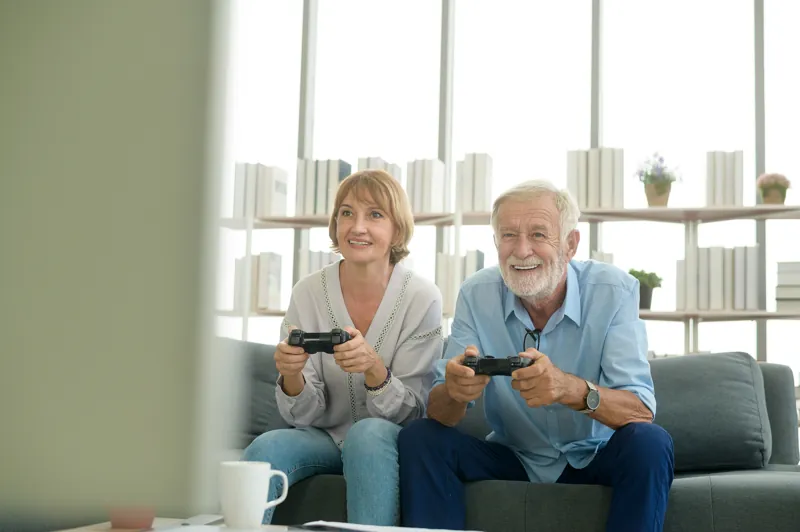
Seniors (Ages 65+): Gaming for Cognitive Health
Cognitive Benefits Focus
Gaming for seniors often emphasizes cognitive benefits, with moderate gaming potentially supporting memory, attention, and problem-solving skills.
Social Connection Opportunities
Gaming can provide valuable social connection for seniors who may have limited mobility or social opportunities, potentially allowing for longer sessions when they serve important social functions.
Physical Comfort Considerations
Seniors need to pay particular attention to ergonomics and physical comfort during gaming sessions, potentially requiring shorter sessions or frequent breaks.
Daily Structure and Gaming Integration
Creating Sustainable Daily Rhythms
Morning Gaming vs. Evening Gaming
The timing of gaming sessions can significantly impact their health effects. Morning gaming might interfere with productive activities and work preparation, while evening gaming can disrupt sleep patterns. Mid-afternoon or early evening gaming often provides the best balance.
Gaming as Reward vs. Escape
Healthy gaming habits often involve using gaming as a reward for completing responsibilities rather than as an escape from them. This approach naturally limits gaming time while ensuring that other important activities are completed.
Buffer Time for Transitions
Healthy gaming schedules include buffer time before sleep, meals, work, or social commitments, allowing for proper transitions between gaming and other activities.
Weekly and Monthly Patterns
Binge Gaming Considerations
Occasional longer gaming sessions (such as weekend gaming marathons) can be part of healthy gaming habits if they’re balanced with periods of reduced gaming and don’t interfere with important responsibilities.
Gaming-Free Days
Some individuals benefit from regular gaming-free days to ensure they maintain diverse interests and don’t become overly dependent on gaming for entertainment and stress relief.
Seasonal Adjustments
Gaming hours might naturally vary seasonally, with longer indoor gaming sessions during winter months and reduced gaming during active summer periods.
Health Indicators and Warning Signs
Physical Health Markers
Sleep Quality and Duration
Healthy gaming habits should not interfere with getting 7-9 hours of quality sleep per night. Gaming that disrupts sleep patterns or makes it difficult to fall asleep indicates the need for schedule adjustments or earlier cutoff times.
Physical Activity Levels
Gaming should complement rather than replace physical activity. Adults should maintain at least 150 minutes of moderate-intensity aerobic activity per week, regardless of gaming habits.
Posture and Ergonomic Health
Extended gaming sessions can contribute to poor posture, eye strain, and repetitive stress injuries. Healthy gaming includes attention to ergonomics, regular breaks, and stretching.
Eating Patterns
Gaming shouldn’t interfere with regular meal times or promote unhealthy eating habits like excessive snacking during gaming sessions.
Mental and Emotional Health Indicators
Mood Regulation
Healthy gaming should generally improve or maintain mood rather than creating significant mood swings, irritability, or depression when gaming isn’t available.
Social Relationship Quality
Gaming habits should support rather than interfere with maintaining quality relationships with family, friends, and colleagues.
Achievement and Goal Pursuit
Healthy gaming complements rather than replaces pursuit of real-world goals and achievements in areas like career, education, relationships, and personal development.
Stress Management
While gaming can be an effective stress-relief tool, healthy habits involve having multiple stress management strategies rather than relying primarily on gaming.
Creating Personal Gaming Guidelines
Self-Assessment Framework
Values Clarification
Individuals need to identify their core values and life priorities to determine how gaming fits within their overall life vision. Someone who values career advancement might allocate different gaming hours than someone prioritizing family time or creative pursuits.
Goal Alignment
Gaming hours should align with short-term and long-term personal goals. This doesn’t mean gaming must always be productive, but it shouldn’t consistently interfere with important goal pursuit.
Energy Management
Understanding personal energy patterns helps optimize gaming timing. Some people find gaming energizing and use it as a break from demanding activities, while others find it depleting and need to use it sparingly.
Relationship Impact Assessment
Regular evaluation of how gaming habits affect important relationships helps ensure that gaming remains a positive rather than divisive force in personal life.
Flexible Boundary Setting
Core Hours vs. Flexible Hours
Many successful gamers establish core gaming hours (such as 1-2 hours daily) while allowing flexibility for occasional longer sessions during weekends or special gaming events.
Priority-Based Adjustments
Gaming hours can be adjusted based on current life priorities. During busy work periods, relationship challenges, or health issues, gaming hours might be reduced, while during more relaxed periods, they might be increased.
Regular Review and Adjustment
Healthy gaming habits involve regular review and adjustment of time limits based on their effectiveness in supporting overall life satisfaction and goal achievement.
Technology and Environment Tools
Built-in Limit Settings
Most gaming platforms now offer parental controls and time limit features that can be used for self-regulation, even by adults who want external help maintaining their chosen boundaries.
Environment Design
Creating gaming environments that promote healthy habits includes considerations like ergonomic setup, lighting that won’t strain eyes, and positioning that encourages regular breaks.
Social Accountability
Many people benefit from sharing their gaming goals with friends, family members, or gaming communities who can provide encouragement and accountability for maintaining healthy habits.
Special Circumstances and Considerations
Professional and Competitive Gaming
Career-Related Gaming
Individuals whose careers involve gaming (professional players, streamers, game developers) face unique challenges in maintaining healthy boundaries when gaming is both work and recreation.
Training vs. Recreational Gaming
Professional gamers often distinguish between focused training time and recreational gaming, with different time limits and approaches for each type of gaming activity.
Gaming for Health and Therapy
Therapeutic Gaming Applications
Gaming used for physical therapy, cognitive rehabilitation, or mental health treatment may involve different time recommendations based on therapeutic goals and professional guidance.
Mindful Gaming Practices
Some individuals use gaming as a mindfulness practice, focusing on present-moment awareness and stress reduction, which may influence optimal session length and frequency.
Gaming During Life Transitions
Temporary Increases During Stress
During major life transitions, illness, or periods of high stress, gaming hours might temporarily increase as a coping mechanism, with plans to return to normal limits once the situation stabilizes.
Seasonal and Circumstantial Adjustments
Gaming habits may naturally vary during different life seasons, with accommodation for factors like weather, work schedules, family situations, and health status.
Building Long-Term Gaming Wellness
Developing Gaming Wisdom
Self-Awareness Cultivation
Long-term gaming wellness involves developing sophisticated self-awareness about how different games, session lengths, and gaming patterns affect mood, energy, relationships, and life satisfaction.
Adaptive Flexibility
Rather than rigid adherence to specific time limits, gaming wellness involves adaptive flexibility – adjusting gaming habits based on current life circumstances while maintaining overall balance and health.
Community and Connection
Healthy long-term gaming often involves connection with gaming communities that support balanced approaches to gaming and provide accountability for healthy habits.
Integration with Life Phases
Career Development Periods
During intensive career development phases, gaming hours might be reduced to focus energy on professional growth, with plans to increase during more stable periods.
Family Building Years
When building families or caring for young children, gaming habits naturally adjust to accommodate family responsibilities while potentially providing valuable stress relief and personal time.
Aging and Health Changes
As individuals age, gaming habits may evolve to emphasize cognitive benefits, social connection, and adaptation to changing physical capabilities.
Conclusion: Your Personal Gaming Sweet Spot
The question “How many hours of gaming per day is healthy?” doesn’t have a universal answer because health is deeply personal and contextual. However, research provides clear guideposts: Oxford University believes that 1 hour of gaming every day is better than no gaming at all when we discuss personal well-being and mental health, while extending beyond three hours typically shows diminishing returns.
For most adults, 1-3 hours of daily gaming represents a healthy range that can provide stress relief, cognitive benefits, and social connection without interfering with other important life activities. Children and teens require stricter limits, with 30 to 60 minutes per day on school days and 2 hours or less on non-school days representing expert consensus for healthy development.
The key insight is that healthy gaming isn’t just about time limits – it’s about how gaming fits into a balanced, fulfilling life. Gaming that supports your values, relationships, and goals while providing genuine enjoyment and relaxation is likely healthy regardless of whether it falls exactly within recommended time ranges. Gaming that interferes with sleep, relationships, work, or personal growth may be problematic even at lower time commitments.
Ultimately, your perfect gaming hours are those that leave you feeling energized rather than drained, connected rather than isolated, and satisfied rather than guilty. By paying attention to these internal indicators and adjusting your gaming habits accordingly, you can find your personal gaming sweet spot – that Goldilocks zone where gaming enhances your life without overwhelming it.
The goal isn’t to game less or more – it’s to game better, with intention, awareness, and balance that supports your overall wellbeing and life satisfaction. In finding this balance, gaming transforms from a potential source of conflict into a positive contributor to a healthy, happy, and fulfilling life.
References
- Przybylski, A. K., & Weinstein, N. (2017). A large-scale test of the goldilocks hypothesis: quantifying the relations between digital-screen use and the mental well-being of adolescents. Psychological Science, 28(2), 204-215.
- Bediou, B., Adams, D. M., Mayer, R. E., Tipton, E., Green, C. S., & Bavelier, D. (2018). Meta-analysis of action video game impact on perceptual, attentional, and cognitive skills. Psychological Bulletin, 144(1), 77-110.
- Chaarani, B., et al. (2022). Association of Video Gaming With Cognitive Performance Among Children. JAMA Network Open, 5(10), e2235721.
- Reid Chassiakos, Y. L., et al. (2016). Children and adolescents and digital media. Pediatrics, 138(5), e20162593.
- Ferguson, C. J. (2015). Do angry birds make for angry children? A meta-analysis of video game influences on children’s and adolescents’ aggression, mental health, prosocial behavior, and academic performance. Perspectives on Psychological Science, 10(5), 646-666.

